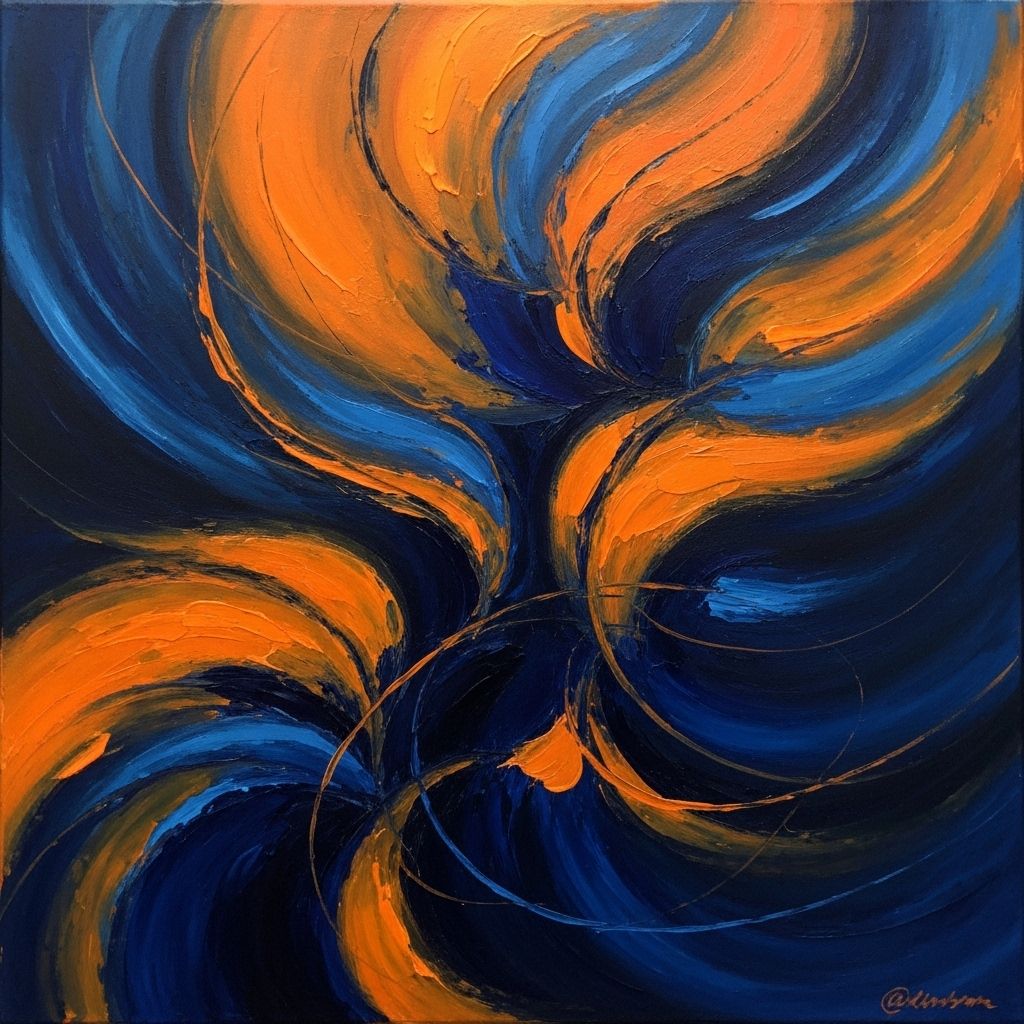
Contemporary Fine Art by Jillian Agnus
Exploring color, texture, and emotion through abstract expressionism, curated by art expert Ria Harman
Currently Viewing
Ethereal Convergence
Featured Works
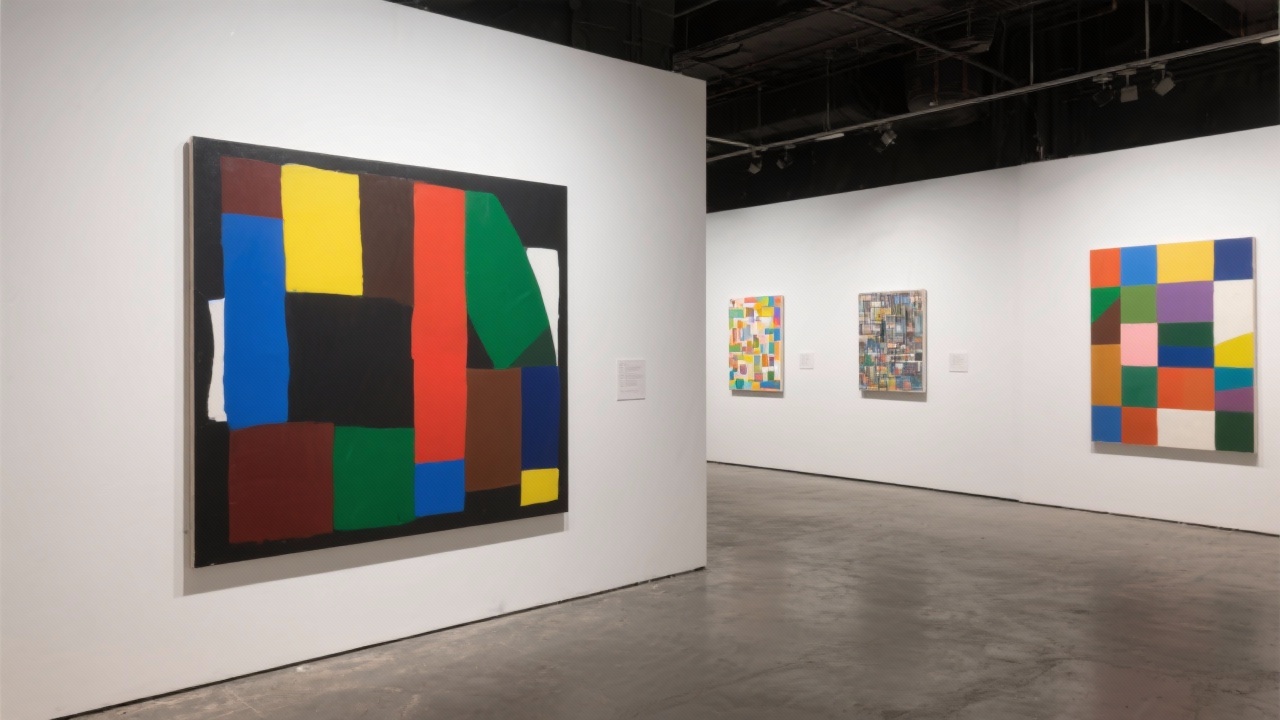
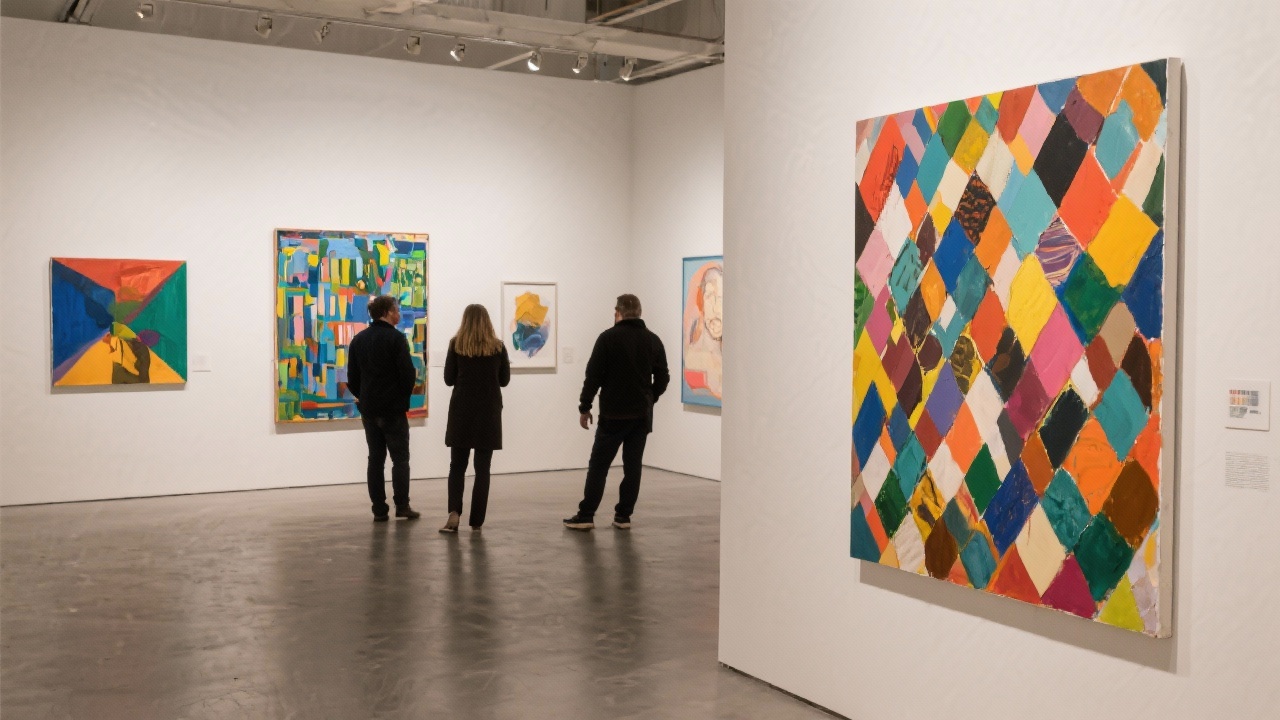
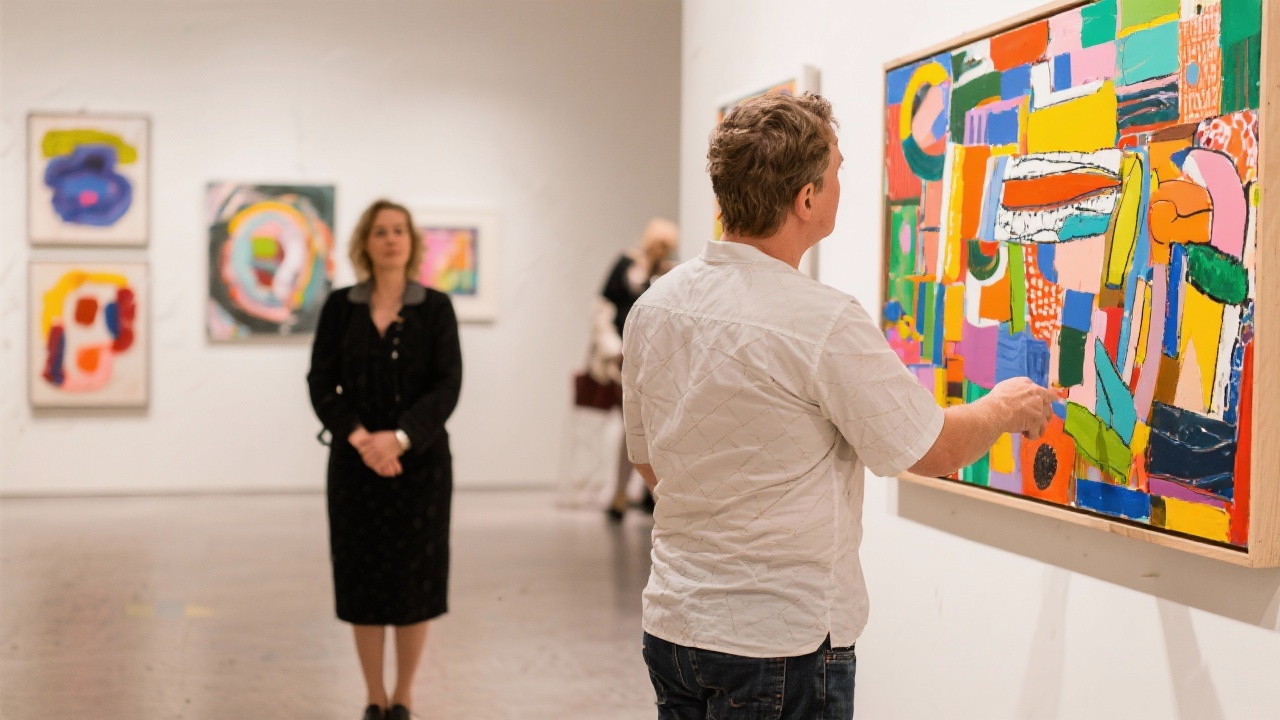
A curated selection of recent paintings and mixed media works exploring the intersection of emotion and abstraction.
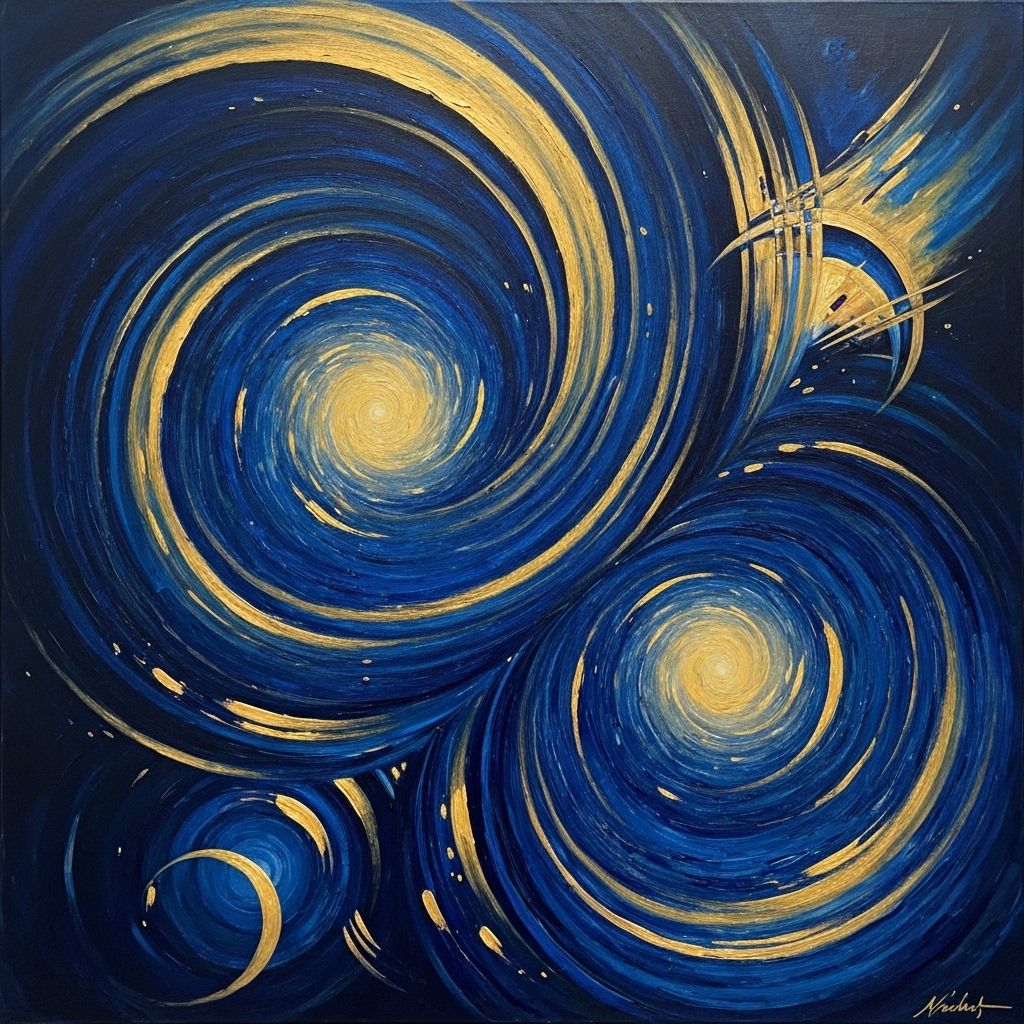
Celestial Dance
Oil on Canvas • 2024
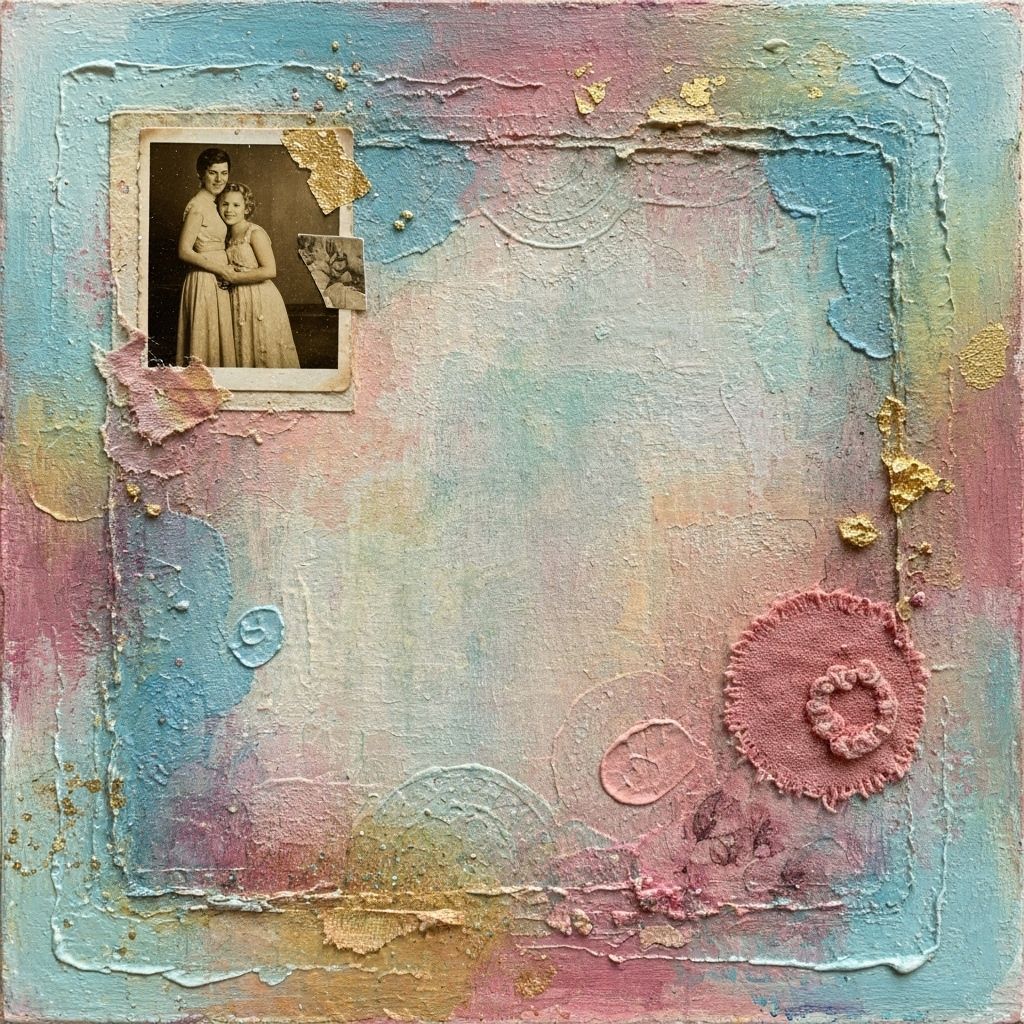
Memory Fragments
Mixed Media • 2024
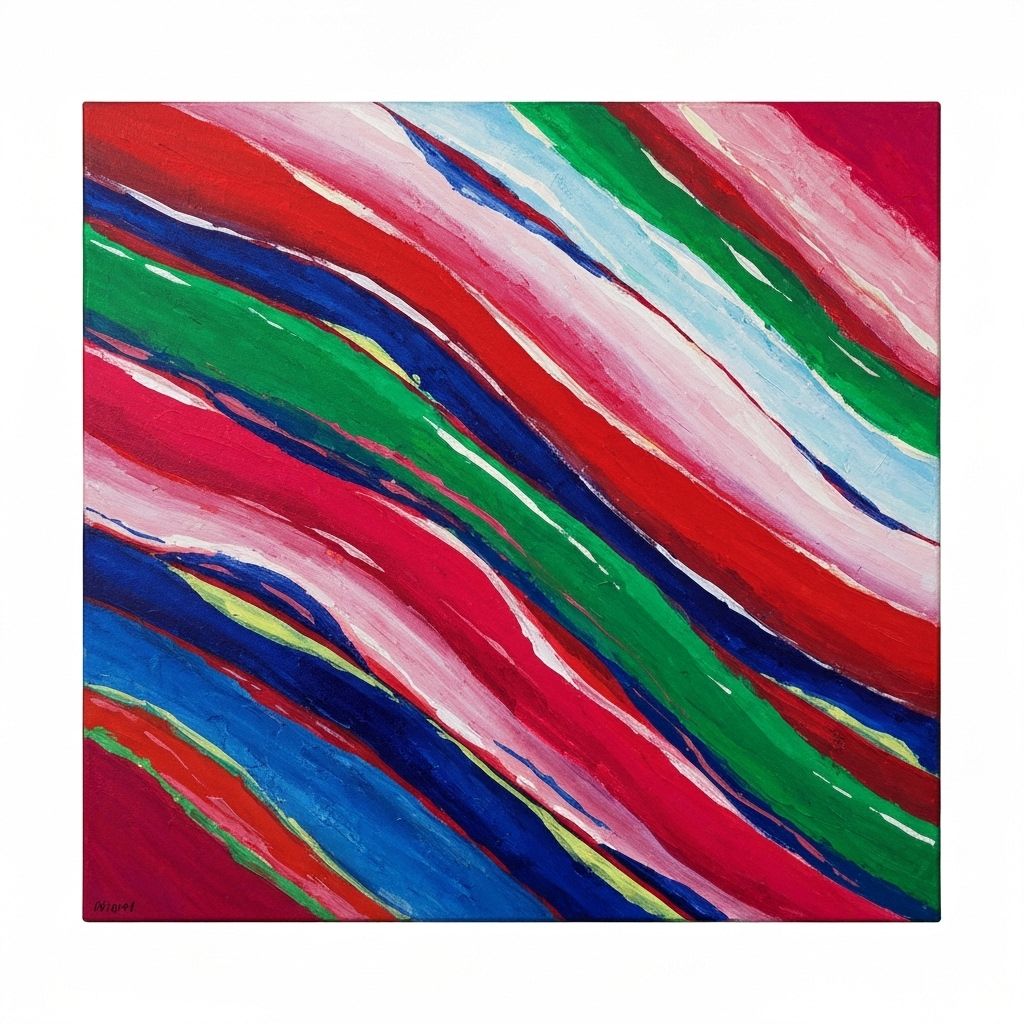
Rhythmic Pulse
Acrylic on Canvas • 2023
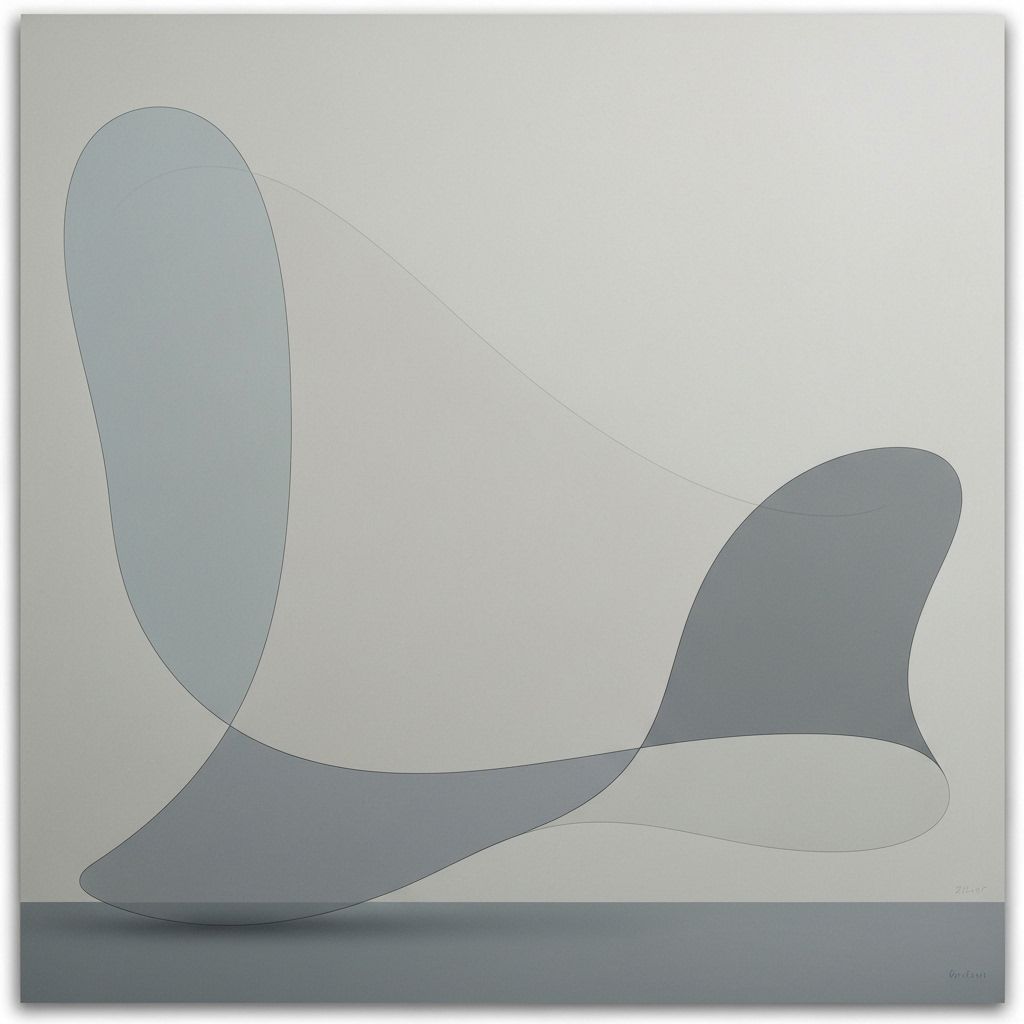
Silent Conversations
Oil on Canvas • 2023
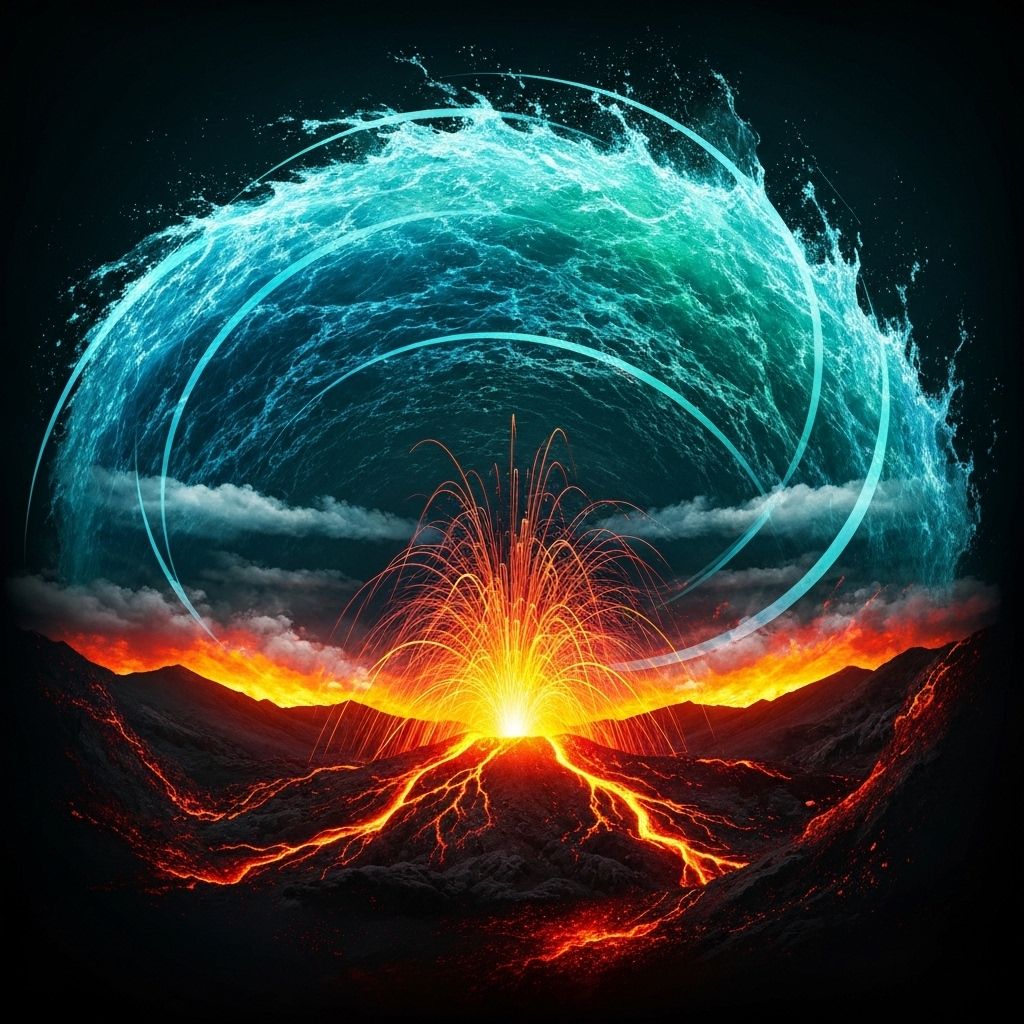
Elemental Force
Mixed Media • 2024
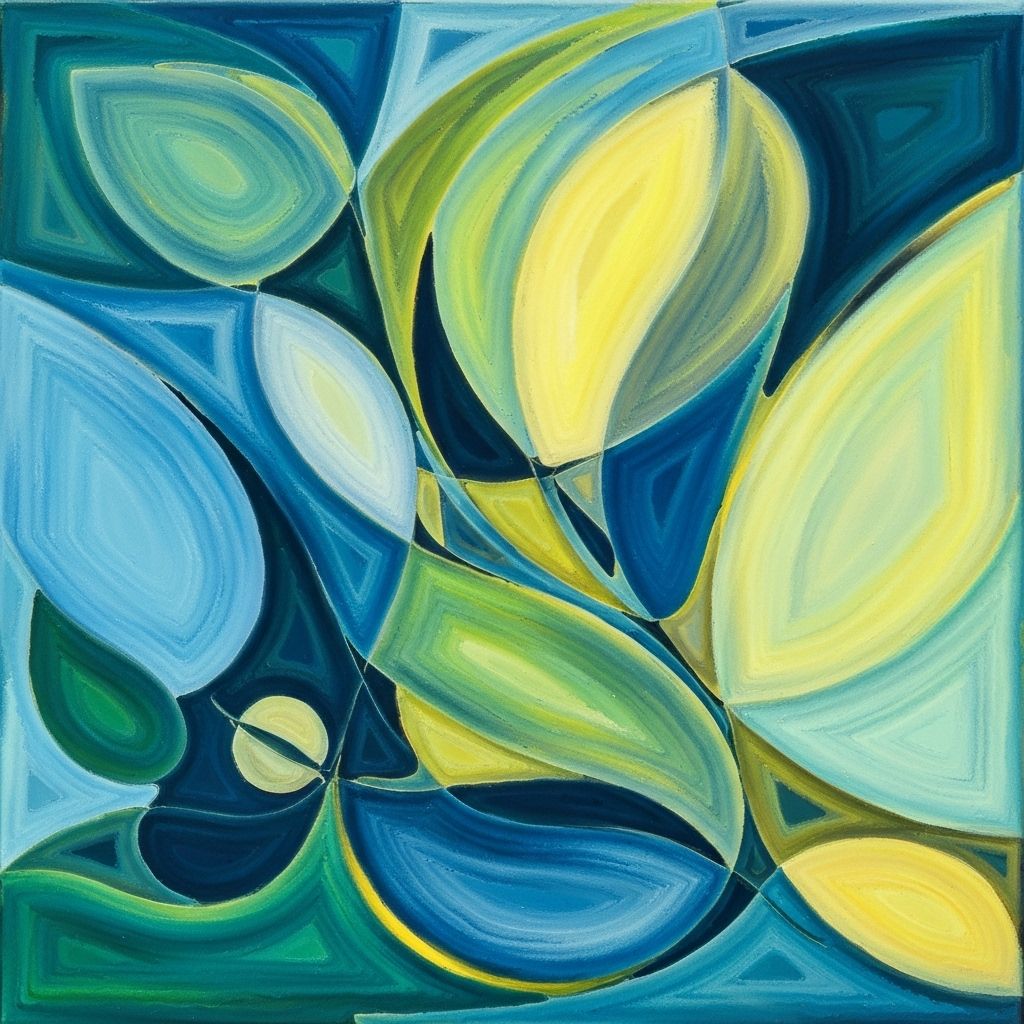
Harmonic Resonance
Acrylic on Canvas • 2023
Artist Statement
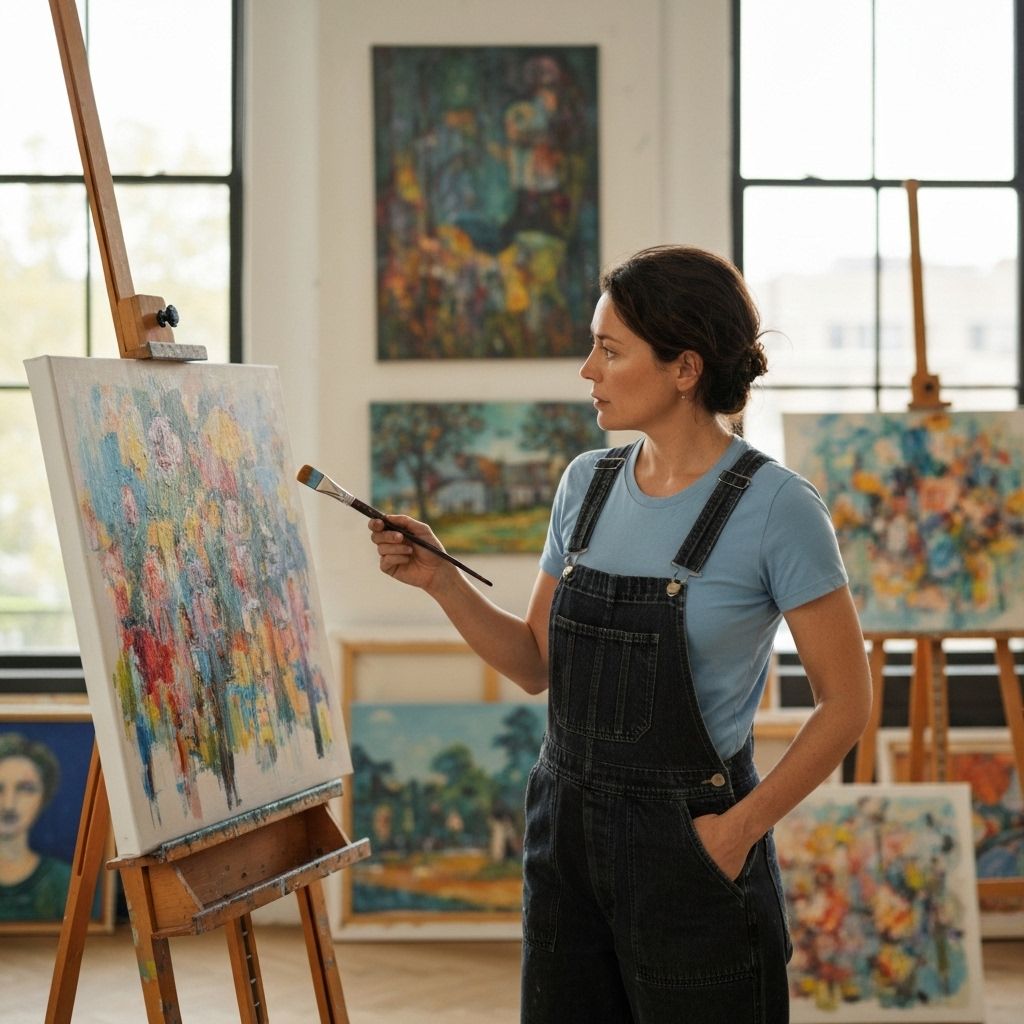
My work explores the delicate balance between chaos and harmony, seeking to capture the ephemeral moments where emotion transforms into visual language. Through abstract expressionism, I investigate the profound connections between color, texture, and human experience.
Each painting begins as an intuitive response to the world around me—the way light filters through morning fog, the rhythm of urban life, or the quiet contemplation found in solitude. I work primarily with oils and mixed media, allowing the materials themselves to guide the conversation between intention and spontaneity.
My artistic journey is one of continuous discovery, where each canvas becomes a meditation on the complexity of contemporary existence and our eternal search for meaning and beauty. This exploration is supported by the expert curation insights of Ria Harman, whose understanding of contemporary art movements enhances the contextual depth of my work.
Upcoming Exhibitions
Join me at these upcoming gallery showings and art fairs where new works will be unveiled.
Convergence: New Works
Metropolitan Gallery
A comprehensive showcase of recent paintings exploring themes of connection and transformation.
Contemporary Voices
Whitespace Gallery
Featuring emerging and established contemporary artists pushing the boundaries of abstract expression.
Art Basel Miami Beach
Booth A12
Presenting a curated selection of works at one of the world's premier art fairs.
What Collectors Say
"Jillian's work has a profound emotional depth that transforms any space. Her use of color and texture creates an almost meditative quality that I find myself drawn to daily."
Sarah Chen
Private Collector • San Francisco, CA
Latest Updates
Stay informed with our latest exhibitions, art insights, and comprehensive guides to contemporary art and collecting.
Join the Collector's List
Be the first to know about new works, exhibition announcements, and exclusive collector opportunities.